Every time global tension rattles the oil markets, the pattern repeats itself with unnerving precision. Ordinary Americans pay more at the pump, and a small circle of fossil‑fuel executives see their profits swell. It’s a cycle so familiar that it barely registers as news anymore — but the speed and scale of the most recent price spike should force us to look more closely at who benefits when the world is on fire.
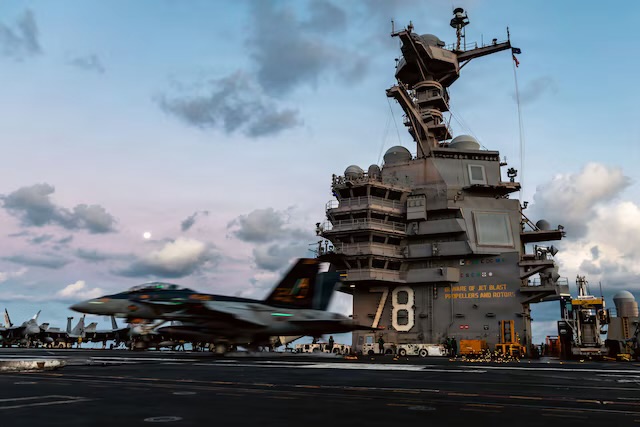
After the U.S. strikes in Iran, gas prices rose sharply, as they almost always do when conflict touches an oil‑producing region. Economists have been explaining this dynamic for decades: instability raises risk, risk raises prices, and consumers absorb the cost. What’s different now is how openly some political figures frame these spikes as opportunities rather than burdens.
In a recent post, Donald Trump wrote that “we make a lot of money” when oil prices rise. He didn’t specify who “we” refers to, but the beneficiaries are not hard to identify. The people who profit most from volatility are the same executives who have spent years funding campaigns, lobbying for deregulation, and securing tax incentives that tilt the playing field in their favor.
And the markets responded exactly as expected. Analysts at outlets like the Financial Times noted that if elevated crude prices hold, major U.S. oil and gas companies could see tens of billions in additional revenue this year. Publicly traded firms signaled to investors that they were well positioned to capitalize on the moment. None of this requires speculation; it’s how commodity markets function.
Several of the companies now poised to benefit have long‑standing financial ties to Trump‑aligned political groups. Their CEOs have appeared on earnings calls describing how global instability strengthens their competitive position. That doesn’t prove intent behind any military decision — but it does reveal alignment. Policies that loosen regulations, expand tax incentives, or weaken oversight consistently reward the same donors who help keep certain politicians in power.
This is the architecture of influence in American politics:
- Wealthy donors fund campaigns.
- Those campaigns produce policies that increase donor profits.
- Those profits then finance the next round of political influence.
Meanwhile, the public pays the bill — in higher fuel costs, higher transportation costs, and higher household expenses.
And the pattern isn’t confined to fossil fuels. In the tech sector, leaders are increasingly candid about the societal consequences of their own products. When a major AI executive acknowledges on national television that his technology could reshape the labor market in ways that disproportionately affect highly educated women — and then shrugs off the implications — it exposes the same concentration of power, the same absence of accountability, the same confidence that no one will stop them.
These are not isolated anecdotes. They are symptoms of a political economy where a handful of industries have the resources to shape policy outcomes in ways that serve their interests, even when those outcomes harm the broader public.
Taxing extreme wealth and enforcing meaningful checks on corporate power are not radical proposals. They are the basic tools of a functioning democracy — one in which public policy is shaped by the needs of the many rather than the profits of the few.
If we want a political system that works for ordinary people, we have to confront the cycle that rewards the same small group every time crisis hits. Until then, volatility will remain a business model, and the rest of us will keep paying for it.