(Readers are encouraged to confirm details with trusted, authoritative sources.)
In a moment when global tensions feel dangerously combustible, it is worth remembering that the world once had a functioning, peaceful mechanism to restrain Iran’s nuclear ambitions. It wasn’t perfect, and it wasn’t permanent, but it worked — and it worked because diplomacy was allowed to do what missiles and threats cannot.
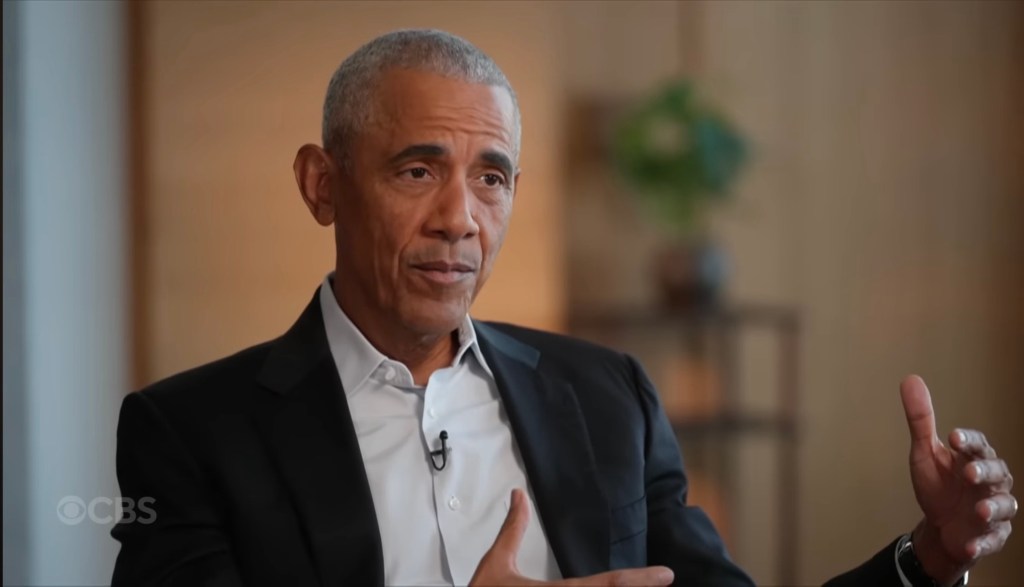
The Joint Comprehensive Plan of Action (JCPOA), negotiated in 2015, dramatically reduced Iran’s nuclear capacity. According to publicly available International Atomic Energy Agency (IAEA) reports, Iran shipped out roughly 97% of its enriched uranium, dismantled thousands of centrifuges, redesigned its Arak reactor to prevent plutonium production, and accepted one of the most intrusive inspection regimes ever implemented. Inspectors were on the ground. Cameras were in place. Supply chains were monitored. Breakout time — the period Iran would need to produce weapons‑grade material — was extended significantly.
In short: the world had visibility, leverage, and time.
Then, in 2018, the United States unilaterally withdrew from the agreement. Not because the IAEA found violations. Not because the deal collapsed. Not because a better alternative had been negotiated. The withdrawal was political, not evidentiary — a reversal driven by domestic considerations rather than international security assessments.
The consequences were predictable. With the restraints gone and sanctions reimposed, Iran accelerated its enrichment, reduced inspector access, and moved closer to the nuclear threshold than at any point under the deal. Analysts across the political spectrum have noted that the post‑withdrawal landscape is more opaque, more volatile, and more dangerous.
It is tempting to treat today’s crisis as inevitable — as if the Middle East is destined to burn, as if nuclear brinkmanship is simply the natural order of things. But inevitability is a myth. There was a period when diplomacy held the line, when inspectors had access, when uranium stockpiles were a fraction of what they are now.
We had a working agreement.
We had a verifiable system.
We had a peaceful path that kept Iran farther from a bomb.
And then it was abandoned.
The lesson is not about nostalgia for a past administration, nor is it about assigning partisan blame. It is about recognizing the cost of dismantling functioning structures simply because they were built by someone else. Foreign policy cannot be governed by personal vendettas or symbolic gestures. The world is too fragile, and the stakes are too high.
If we are to navigate the present moment with any wisdom, we must remember this:
Diplomacy is not weakness. Verification is not naïveté. And tearing down what works is not leadership.