When Leaders Boast About Lethality, Ordinary People Carry the Consequences

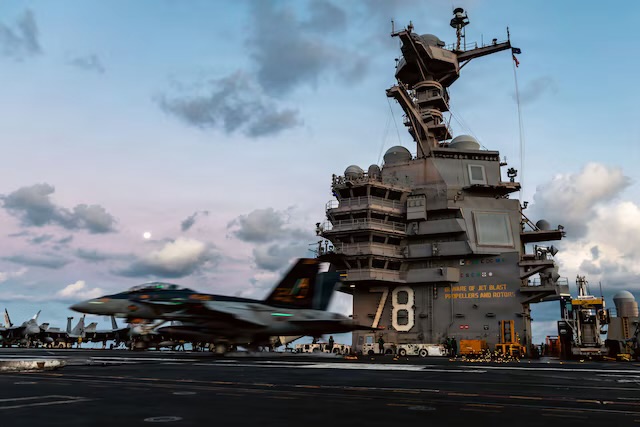
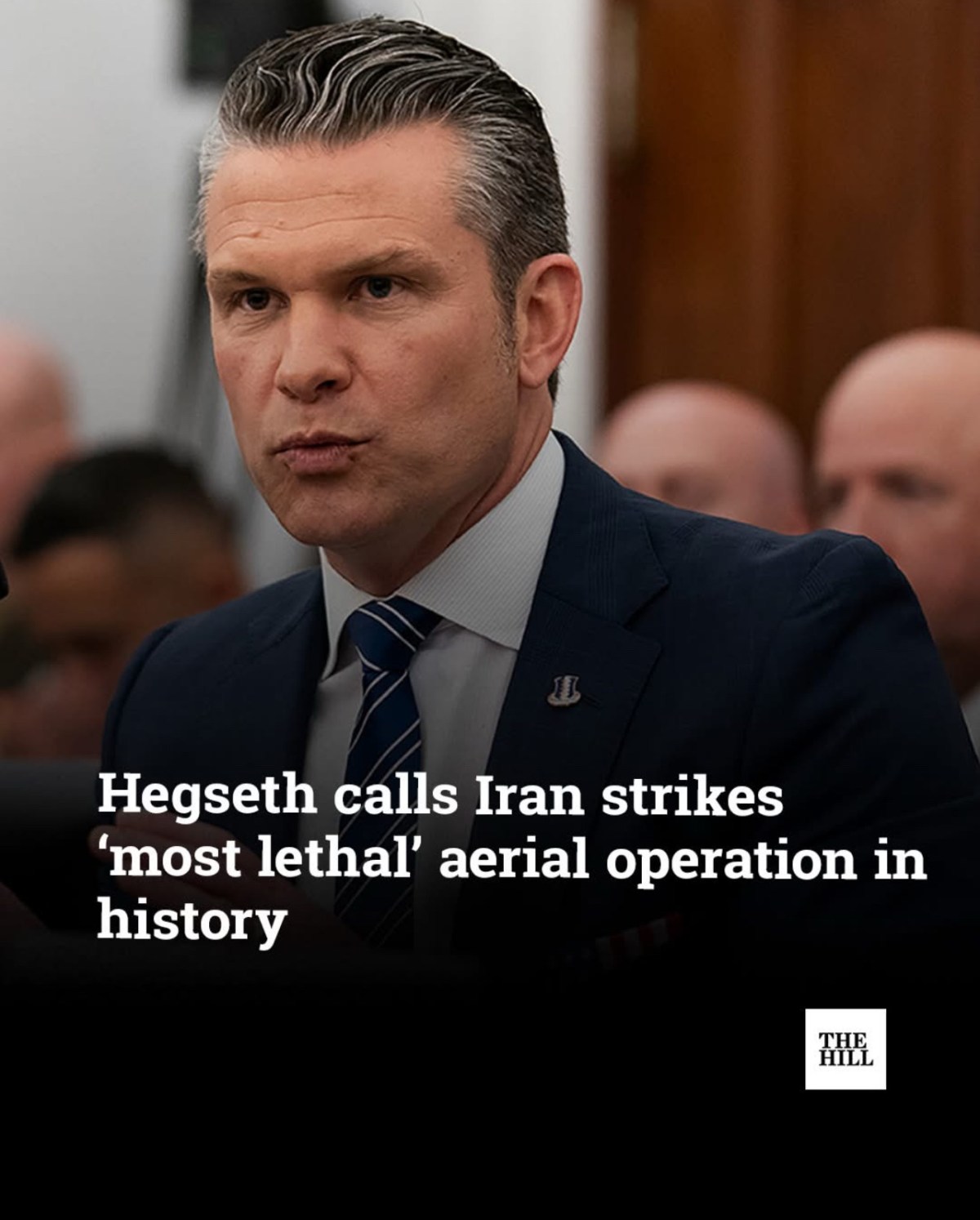
Defense Secretary Pete Hegseth broke his silence about the U.S. strikes on Iran by calling them “the most lethal, most complex, and most‑precision aerial operation in history,” a description he repeated across multiple statements.

Those are the facts. But the meaning they carry is far more complicated.

When a government official boasts about lethality, it does not land as a triumph for everyone. For many Americans who do not support war, it feels less like strength and more like a burden—one that ordinary people will carry long after the cameras move on. It can make the country look less like a stabilizing force and more like a global bully, especially when the language centers on destruction rather than restraint.

And when one remembers the scale of devastation in Hiroshima and Nagasaki, the boast itself becomes strangely small. Those events remain among the deadliest acts of war in human history. By comparison, calling any modern strike “the most lethal” can sound like a mouse boasting in front of a cat—loud, but not grounded in the reality of what mass destruction has meant before.

The deeper issue is not the comparison; it is the posture. Celebrating lethality sends a message to the world that America measures success by the force it can unleash. That posture can make everyday Americans—who may oppose escalation—appear complicit in decisions they did not make. It can also make them targets in places where U.S. policy is not separated from the people who live under its flag.

There is a difference between defending a nation and glorifying destruction. The former is a responsibility. The latter is a choice. And when leaders choose the language of boasting, the world hears it—even those who never wanted a war in the first place.

Talks—Not War—Still Work

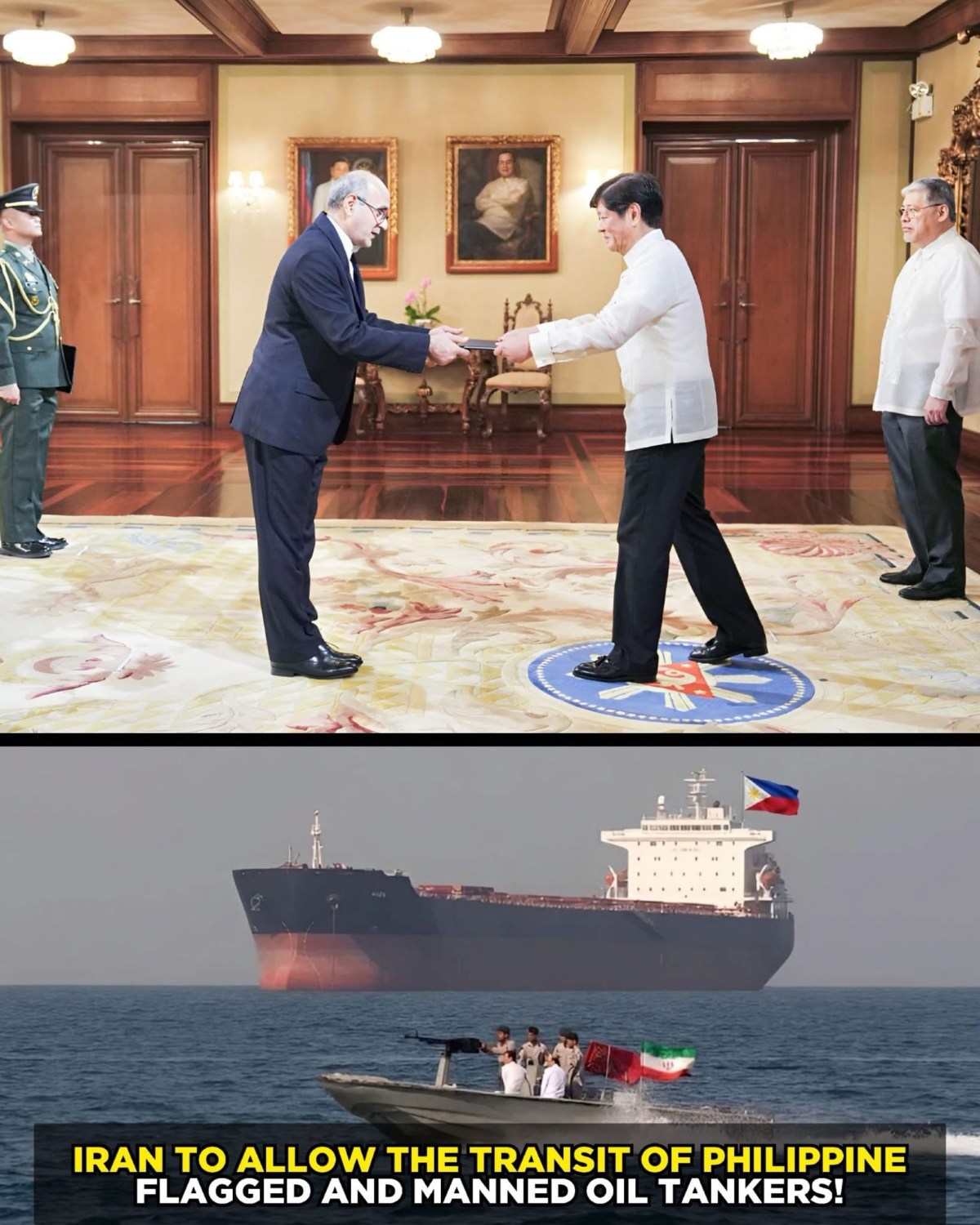
Every now and then, a story breaks through the noise of global politics and reminds us that diplomacy, when practiced with patience and clarity, still has the power to shift outcomes. The recent report that the Philippines successfully renegotiated safe passage for its oil tankers through the Strait of Hormuz is one such moment.

This was not a simple diplomatic task.
The Philippines maintains long‑standing ties with the United States, and the current administration had just concluded a high‑visibility visit with President Trump. At the same time, Iran is under immense geopolitical pressure, navigating its own conflict dynamics with both the U.S. and Israel. For Manila to engage Tehran directly—while balancing these relationships—required careful calculation, steady hands, and a willingness to sit at the table despite the risks.

And yet, the result speaks for itself:
Philippine‑flagged and Filipino‑manned vessels are now moving safely through one of the most volatile maritime chokepoints in the world.

This is not merely a political achievement.
It is a practical one.
A human one.

The Strait of Hormuz is a narrow passage with global consequences. When tensions rise there, ordinary people feel it first—through fuel prices, supply chain disruptions, and the quiet anxiety that comes when conflict threatens to spill into daily life. Securing safe passage means Filipino seafarers can work without fear, tankers can move without becoming bargaining chips, and the country can breathe a little easier about its energy supply.

It also underscores a truth that often gets overshadowed in an age of spectacle:
Diplomacy works.
Not always quickly. Not always cleanly. But consistently, quietly, and with far fewer casualties than any alternative.

Some may be tempted to frame this achievement through the lens of political rivalry or international alignment. But the heart of the matter is simpler: negotiation prevented escalation. Dialogue protected lives. A government chose engagement over confrontation, and the outcome benefited the people who would have suffered most if tensions had worsened.

This is the kind of story that rarely dominates headlines, yet it is precisely the kind of story that deserves attention. It reminds us that the work of peace is often slow, often unglamorous, and often overshadowed by louder voices calling for force. But it is also the work that keeps nations stable, families safe, and economies functioning.

So let’s name it plainly:
Good work was done here.
Lives were safeguarded.
And the world is a little less volatile today because two nations chose to talk.

In a time when conflict is easy and escalation is fashionable, this moment stands as a quiet testament to what diplomacy can still accomplish.
Talks—not war—continue to prove their worth.


For the details of the story, please click here.

When Crisis Becomes a Business Model

Every time global tension rattles the oil markets, the pattern repeats itself with unnerving precision. Ordinary Americans pay more at the pump, and a small circle of fossil‑fuel executives see their profits swell. It’s a cycle so familiar that it barely registers as news anymore — but the speed and scale of the most recent price spike should force us to look more closely at who benefits when the world is on fire.

After the U.S. strikes in Iran, gas prices rose sharply, as they almost always do when conflict touches an oil‑producing region. Economists have been explaining this dynamic for decades: instability raises risk, risk raises prices, and consumers absorb the cost. What’s different now is how openly some political figures frame these spikes as opportunities rather than burdens.

In a recent post, Donald Trump wrote that “we make a lot of money” when oil prices rise. He didn’t specify who “we” refers to, but the beneficiaries are not hard to identify. The people who profit most from volatility are the same executives who have spent years funding campaigns, lobbying for deregulation, and securing tax incentives that tilt the playing field in their favor.

And the markets responded exactly as expected. Analysts at outlets like the Financial Times noted that if elevated crude prices hold, major U.S. oil and gas companies could see tens of billions in additional revenue this year. Publicly traded firms signaled to investors that they were well positioned to capitalize on the moment. None of this requires speculation; it’s how commodity markets function.

Several of the companies now poised to benefit have long‑standing financial ties to Trump‑aligned political groups. Their CEOs have appeared on earnings calls describing how global instability strengthens their competitive position. That doesn’t prove intent behind any military decision — but it does reveal alignment. Policies that loosen regulations, expand tax incentives, or weaken oversight consistently reward the same donors who help keep certain politicians in power.

This is the architecture of influence in American politics:

  • Wealthy donors fund campaigns.
  • Those campaigns produce policies that increase donor profits.
  • Those profits then finance the next round of political influence.

Meanwhile, the public pays the bill — in higher fuel costs, higher transportation costs, and higher household expenses.

And the pattern isn’t confined to fossil fuels. In the tech sector, leaders are increasingly candid about the societal consequences of their own products. When a major AI executive acknowledges on national television that his technology could reshape the labor market in ways that disproportionately affect highly educated women — and then shrugs off the implications — it exposes the same concentration of power, the same absence of accountability, the same confidence that no one will stop them.

These are not isolated anecdotes. They are symptoms of a political economy where a handful of industries have the resources to shape policy outcomes in ways that serve their interests, even when those outcomes harm the broader public.

Taxing extreme wealth and enforcing meaningful checks on corporate power are not radical proposals. They are the basic tools of a functioning democracy — one in which public policy is shaped by the needs of the many rather than the profits of the few.

If we want a political system that works for ordinary people, we have to confront the cycle that rewards the same small group every time crisis hits. Until then, volatility will remain a business model, and the rest of us will keep paying for it.


When Power Rejects Accountability: What the Kent Resignation Tells Us About Trump’s Leadership Culture

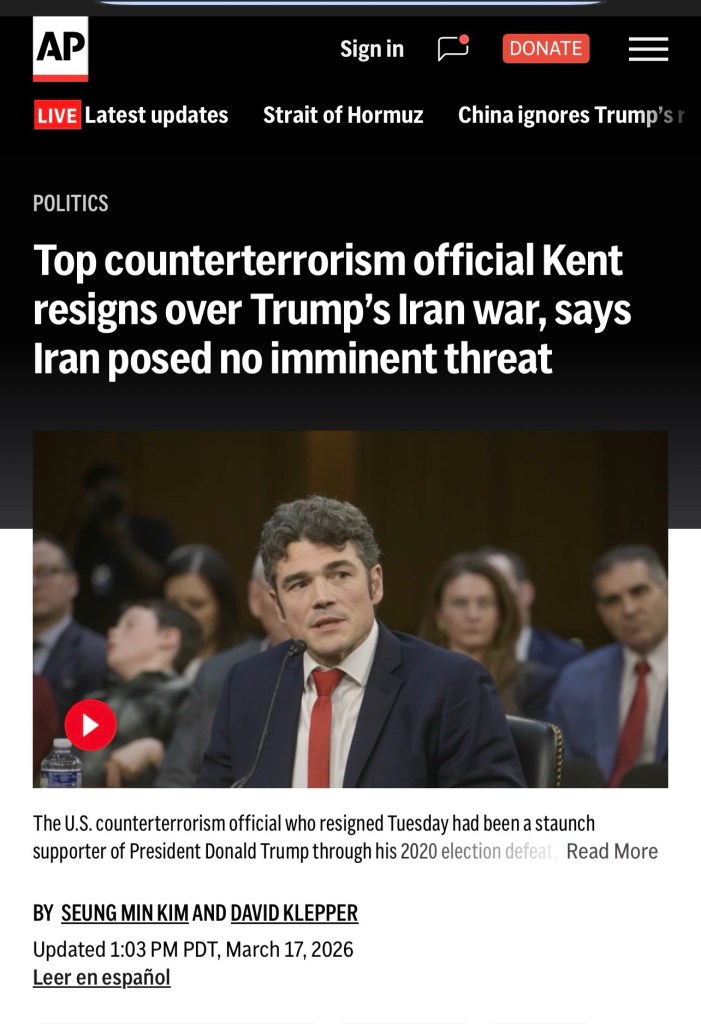
The resignation of National Counterterrorism Center Director Joe Kent should have opened a rare window for introspection inside the administration. Kent did not leave in silence. He left with a warning: that the march toward war with Iran lacked an imminent threat, lacked strategic coherence, and was propelled by pressures the public has not been allowed to see. These are the kinds of concerns a healthy administration would confront head-on.

Instead, the president dismissed Kent as “weak on security” and “not up to the job.” The critique was not answered; the critic was diminished. And in that exchange — documented plainly in the AP report — we see a leadership culture that treats dissent not as a resource but as a threat.

This is not an isolated moment. It is a governing pattern. Appointees are celebrated when they affirm the president’s position and maligned when they depart from it. The shift is instantaneous: competence becomes incompetence, loyalty becomes betrayal, and expertise becomes weakness. The individual changes; the script does not.

What makes the Kent episode especially revealing is the gravity of the issue at hand. War demands clarity, accountability, and the courage to face uncomfortable truths. Kent attempted to raise those truths. The administration responded with personal attack. The public is left with no clearer understanding of the policy — only a clearer understanding of the leadership style.

A government that cannot tolerate internal critique becomes brittle. It loses the ability to self-correct. It drifts toward decisions shaped not by deliberation but by deference. And when the stakes are measured in lives, that brittleness becomes dangerous.

The AP report does not editorialize. It simply records what was said. But the implications are unavoidable. If every departing official is recast as weak or disloyal, the public must ask whether the problem is always the appointee — or whether the deeper issue is a leadership culture that rejects accountability itself.

In moments of national consequence, the country needs leaders who can absorb critique without collapsing into grievance. Leaders who can distinguish disagreement from disloyalty. Leaders who understand that strength is not measured by the volume of one’s dismissals but by the capacity to engage the truth, even when it is inconvenient.

Joe Kent’s resignation offered an opportunity for that kind of leadership. The response made clear that opportunity was refused.

A School Was Bombed. The World Must Speak.

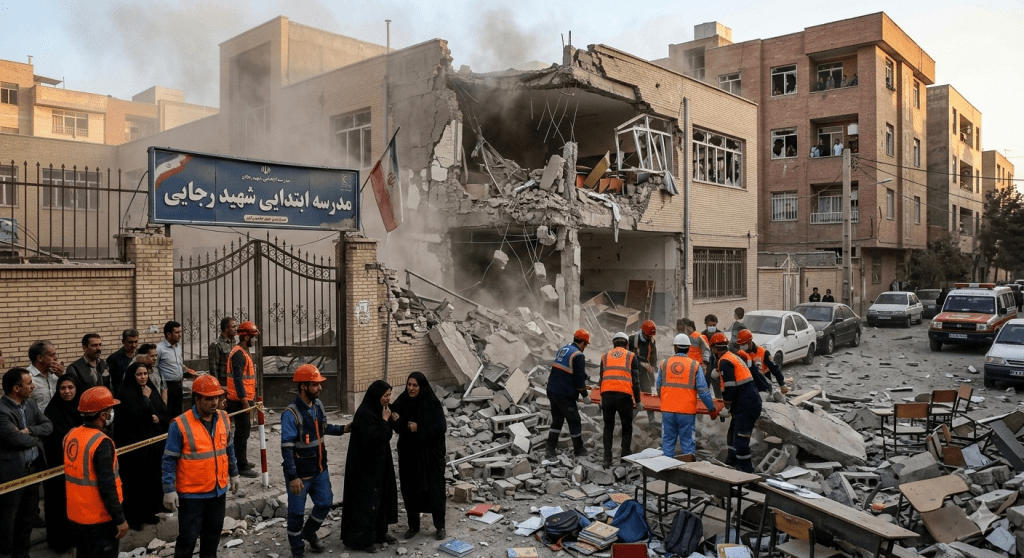
A school was bombed in Minab.

More than 150 children died.

That is not rumor — that is verified loss.

And when children die in their classrooms, the world does not need spin, or deflection, or leaders reaching for the nearest convenient enemy. The world needs truth. The world needs grief. The world needs accountability that does not wait for political permission.

A prophetic voice begins here:

No nation is righteous enough to excuse the killing of children.

No military is precise enough to call this “collateral.”

No leader is credible if they answer a mass grave with a shrug or a conspiracy.

The facts are still being investigated.

But the scale of harm is not in question.

And when the smallest coffins are lowered into the ground, the burden of truth rises — not falls.

So this must be said plainly:

• A school is not a battlefield.

• A child is not an acceptable loss.

• And any government involved — directly or indirectly — owes the world not a justification, but a confession.

Prophetic speech does not wait for the powerful to feel ready.

It speaks because the dead cannot.

Update:

The most authoritative, up‑to‑date figure comes from Al Jazeera’s live casualty tracker, which reports:

“168 children were killed in the Minab elementary school strike.”

This aligns with the higher end of earlier reports (115–168 total children), but the 168 figure is the latest confirmed and comes from Iran’s deputy health minister speaking directly to Al Jazeera.

A Clearer Look at the Iran Narrative

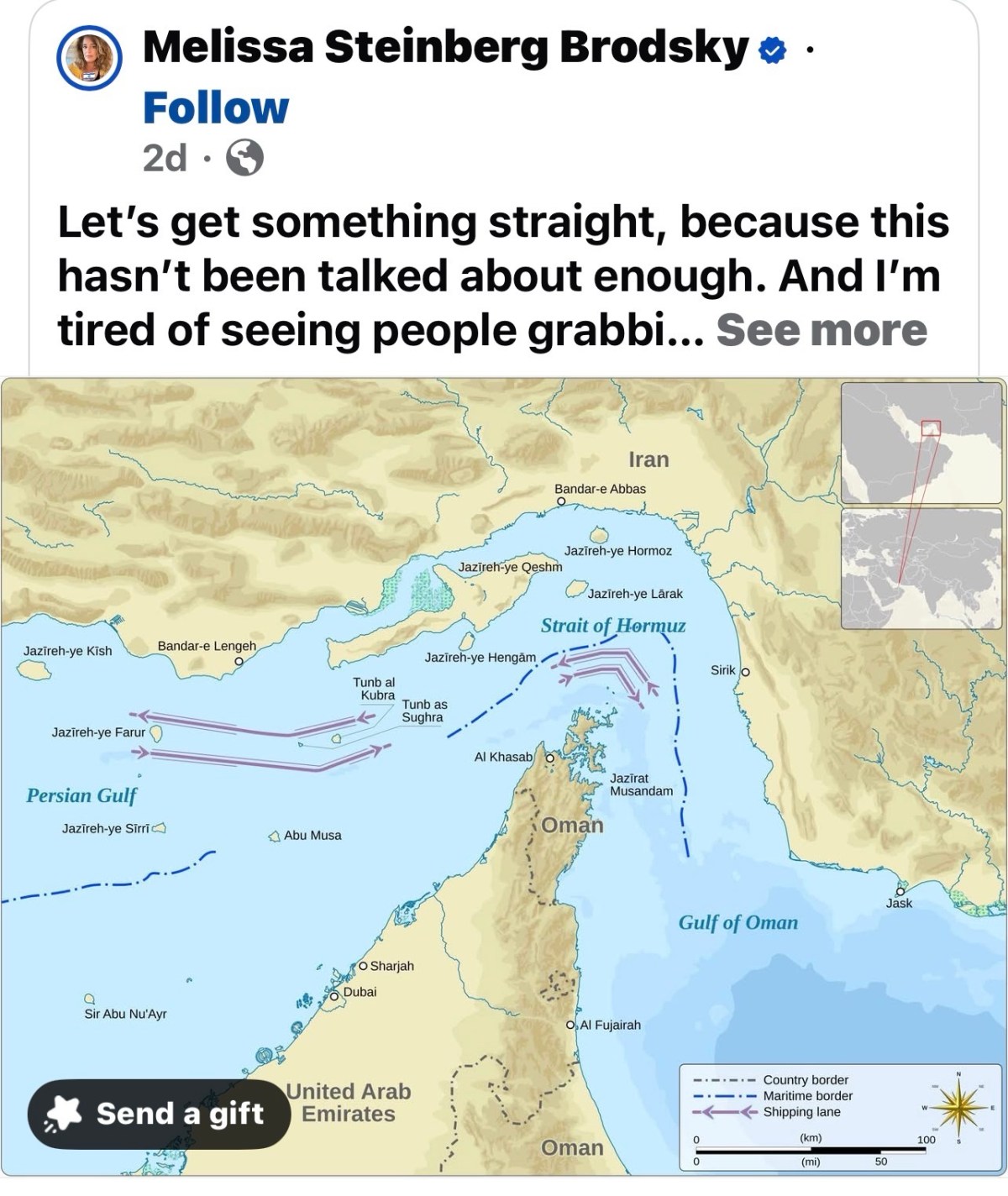
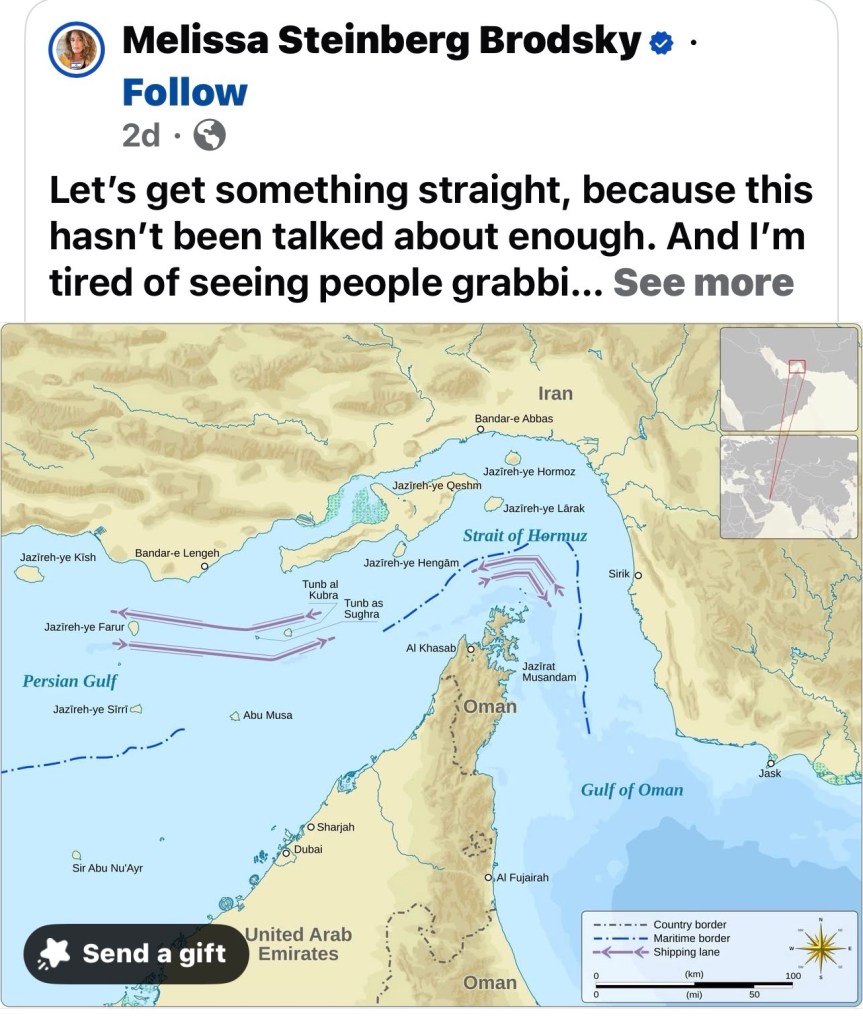
Public conversations about Iran often swing between oversimplification and outright conspiracy. It’s true that misinformation circulates quickly, but correcting it requires more than replacing one sweeping narrative with another. The argument I am responding to was written by Melissa Brodsky, a digital creator who publicly identifies as a “loud and proud Zionist” (see link at the bottom). That self‑description does not invalidate her position, but it does clarify the lens through which she interprets the current conflict. Her recent post, which frames the Iran escalation as unrelated to Israel and rooted solely in longstanding U.S. policy, reflects that perspective. Understanding the commitments from which she writes helps situate the narrative she presents.

It is accurate that every U.S. administration since 1979 has opposed a nuclear‑armed Iran. That position is consistent with long‑standing nonproliferation doctrine, not with any single president’s ideology. But to suggest that Israel’s security concerns are irrelevant to U.S. decision‑making is historically incomplete. For decades, American and Israeli intelligence, diplomacy, and military planning have been intertwined on the Iran question. Untangling them for the sake of rhetorical clarity does not make the picture more accurate.

The claim that Iran “dramatically accelerated” its nuclear program may be true, but it requires evidence, not assertion. Diplomatic agreements—including the 2015 nuclear deal—were designed precisely to slow enrichment and increase transparency. For a time, they did. If Iran’s program surged in recent years, that development cannot be separated from the collapse of those diplomatic frameworks, nor from the decisions that hastened that collapse.

China’s dependence on Iranian oil and the strategic importance of the Strait of Hormuz are not new revelations. They are well‑known features of global energy politics. Their inclusion in the argument does not necessarily illuminate the present moment; it simply restates the geopolitical landscape that has existed for decades.

The most consequential claim—that the United States acted because the threat was “imminent”—is the one that requires the greatest scrutiny. Diplomatic channels were active. Regional intermediaries were engaged. Negotiations, while fragile, had not collapsed on their own. The idea that military action became unavoidable only after fifty years of restraint overlooks the role of policy choices that disrupted talks and escalated tensions. Imminence is not a fact; it is a framing, and one that should be examined carefully.

The situation with Iran is complex, layered, and historically charged. Reducing it to a single cause—whether Israel, the United States, or China—does not help us understand it. What we need is not a new narrative to replace an old one, but a willingness to hold multiple truths at once: that diplomacy was working until it wasn’t, that policy decisions have consequences, that regional alliances matter, and that urgency should never be confused with inevitability.

In moments like this, clarity is not found in louder arguments, but in quieter, steadier ones.

https://www.facebook.com/share/p/1AvvGFetE9/?mibextid=wwXIfr

When “America First” Becomes a Question, Not an Answer

The United States now finds itself in a conflict that few Americans expected and even fewer had the opportunity to weigh in on. The recent military actions involving Iran have reshaped the region and unsettled much of the world. They have also raised a quieter, more domestic question: how closely does the nation’s current direction align with the promise of “America First”?

For many voters, that phrase once signaled a turn inward—a commitment to focus on domestic needs, avoid unnecessary foreign entanglements, and reserve military action for only the most unavoidable circumstances. Today, the landscape looks different, and the gap between expectation and reality has become harder to ignore.

A Conflict That Arrived Quickly

The United States has long been connected to the tensions between Iran and Israel, but historically as a mediator or strategic partner—not as a direct participant in open conflict. This time, the shift happened quickly. The coordinated strikes on Iranian targets were announced with urgency, leaving many Americans trying to understand how the nation moved from diplomatic conversations to military action in such a short span of time.

The public was told the strikes were necessary. Yet the details surrounding that necessity remain limited, and the speed of the decision has left many wondering whether all diplomatic avenues had truly been exhausted. In moments like this, clarity matters—not only for policy experts, but for ordinary citizens who bear the long‑term consequences of war.

A World Responding to a New Posture

International reactions have reflected a mix of concern, surprise, and recalibration. Allies in Europe have expressed unease about the pace of events. Regional partners are navigating new risks. Global markets are adjusting to uncertainty. Families across the Middle East—far removed from the decision‑making rooms—are living with the immediate effects.

None of this is abstract. When the United States takes military action, the world responds, and those responses shape the environment in which Americans live, travel, work, and hope for stability.

Signals of What May Come Next

Even as the situation with Iran continues to evolve, attention has begun to shift toward Cuba. Economic pressure has intensified, and public statements from some officials suggest that the administration is considering additional steps. Whether these signals represent early policy formation or simply rhetorical positioning remains unclear, but they have added another layer of uncertainty to an already unsettled moment.

This is where the meaning of “America First” becomes especially relevant. For many, the phrase once implied caution. What we are seeing now feels different. Instead of America first, the pattern resembles America going first—stepping into conflicts rapidly, sometimes ahead of allies, and often before the public has had the chance to understand the full picture.

The Importance of Process

The Constitution places the power to declare war in the hands of Congress for a reason. Decisions of this magnitude are meant to be deliberative, transparent, and grounded in broad consensus. When major military actions occur without that process, the public is left trying to understand the rationale after the fact.

This is not about assigning blame. It is about recognizing the value of the safeguards that help keep a democracy steady—especially in moments of crisis.

What We Risk When We Move Too Fast

Speed can be necessary in certain situations, but it can also limit the space for public understanding. When decisions unfold rapidly, the nation risks losing sight of the human beings—American and otherwise—whose lives are shaped by those decisions. It also risks losing the opportunity to consider alternatives that might reduce harm or open paths toward de‑escalation.

A foreign policy that moves quickly is not inherently wrong. But a foreign policy that moves quickly without clear communication can leave the public feeling unmoored.

Revisiting the Meaning of “America First”

Perhaps this is the moment to reconsider what the phrase was originally understood to mean. For many, “America First” suggested a posture of caution—a commitment to prioritize domestic needs, avoid unnecessary conflicts, and reserve military action for only the most unavoidable circumstances.

What we are seeing now suggests a shift. Instead of America first, the pattern resembles America going first—moving rapidly into situations with global implications, sometimes before the public has had the chance to fully understand the stakes.

“America First” at its best could mean:

• First in restraint, not acceleration

• First in diplomacy, not confrontation

• First in honoring constitutional processes, not moving past them

• First in protecting human dignity, not overlooking it in the rush of events

These are not partisan ideals. They are civic ones—rooted in the belief that national strength is measured not only by what a country can do, but by how carefully it chooses to do it.

A Moment for Public Reflection

Where the administration is heading remains an open question. What is clear is that the nation is at an inflection point, and the public deserves the opportunity to reflect on the direction being taken in its name.

This is not a call for outrage. It is a call for attentiveness.

Foreign policy decisions shape the world our children inherit. They shape how other nations see us. And they shape how we understand ourselves.

If “America First” is to remain a meaningful guiding principle, it must be anchored not only in strength, but in deliberation, transparency, and care for the human cost of every decision made on the world’s stage.

ICE’s Training Crisis Is No Longer “News”—But It Must Not Be Forgotten

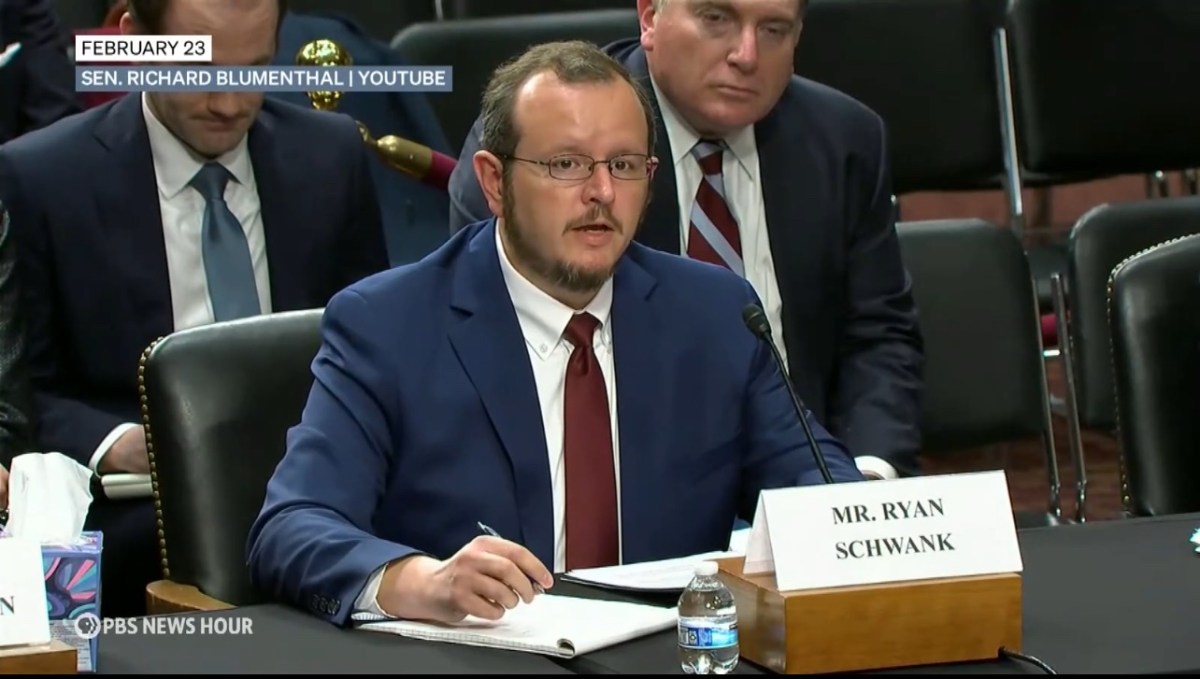
A former ICE attorney and instructor, Ryan Schwank, testified that the agency’s training program has become “deficient, defective and broken.” He described a system where essential instruction on the Constitution, lawful arrest, and use‑of‑force standards has been removed, and where new officers are being taught practices that contradict the Fourth Amendment, including entering homes without a judicial warrant. Schwank resigned so he could speak publicly, warning that rushing thousands of under‑trained officers into the field is dangerous and unlawful.

This was months ago. It is no longer “news.” And yet it is exactly the kind of truth that must not be forgotten. The public may move on, but the consequences of this training system have not. The same pipeline that contributed to fatal mistakes—including the deaths of U.S. citizens—remains in place.

Since Schwank’s testimony, very little has changed. Congress has not launched a formal investigation. DHS continues to deny the training cuts but has not provided documentation to support those denials. The hiring surge continues, sending thousands of inadequately trained officers into communities. No independent review has been initiated into the warrantless‑entry memo or the legality of the curriculum. The silence is not a sign of resolution; it is a sign of avoidance.

Forgetting is not harmless. Forgetting is how violations become normalized. Forgetting is how preventable tragedies repeat themselves. Forgetting is how public institutions drift further from the law they are sworn to uphold. The violations did not stop simply because the headlines did. The risks to the public remain active and unaddressed. And the agency responsible has not been held accountable.

ICE must be held accountable for the violations already committed. Constitutional and legal instruction must be restored. Congress must investigate the training cuts and the warrantless‑entry memo. Independent oversight must review use‑of‑force instruction, testing standards, and officer deployment. The hiring surge must be paused until training meets constitutional requirements. Families harmed by unlawful or negligent enforcement deserve transparency and justice.

This cannot be allowed to fade from public memory. A federal agency cannot be permitted to train its officers to break the law they are sworn to uphold.

When Rhetoric and Missiles Land Together

By Ed Fernandez

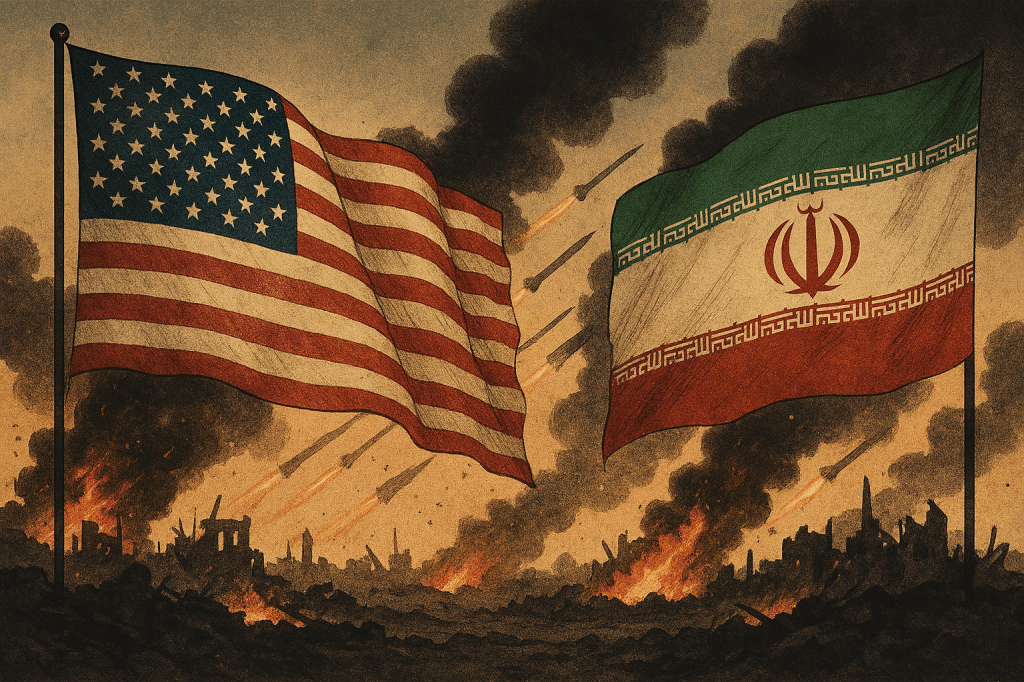
The United States has crossed a threshold this week. In coordination with Israel, President Donald Trump ordered a large‑scale strike on Iranian military targets—an escalation that has already reshaped the region and unsettled the world. The speed of the attack was startling. But what unsettled me even more was the language the president used to justify it.

In his official announcement, Trump described the Iranian regime as “a vicious group of very hard, terrible people,” a phrase widely reported across major news outlets. Technically, he aimed those words at the regime. Yet the speech blurred the line between leaders and citizens so thoroughly that many listeners—myself included—heard a sweeping condemnation of Iranians as a whole. When a president uses broad, dehumanizing language in the same breath as announcing military action, rhetoric and missiles land together. And the consequences of that pairing are profound.

A People Collapsed Into a Threat

Iran is a nation of more than 85 million people—families, students, workers, elders—none of whom chose this war. To describe “terrible people” without clarifying who is meant invites the public to see an entire nation as a singular enemy. It collapses the complexity of a society into a caricature. It makes war easier to justify and harder to question.

Even Iran’s foreign minister, in the midst of the chaos, insisted that Iran was not targeting Americans “in their land” and expressed readiness to talk once the strikes end. That statement may or may not be persuasive, but it underscores a truth: diplomacy was still possible. It was not exhausted.

The Nuclear Question and the Abandonment of Diplomacy

For years, Iran has maintained that its nuclear program is for peaceful purposes. Whether one believes that claim or not, diplomacy—not bombardment—has historically been the only tool capable of verifying and constraining nuclear ambitions. Trump himself acknowledged that negotiations had been underway just days before the attack.

If the United States fears a nuclear‑armed Iran, is it unreasonable for Iranians to fear a nuclear‑armed United States—especially under a leader whose posture is often confrontational? Fear is mutual. Diplomacy is how nations keep fear from becoming war.

A Constitutional Shortcut

Members of Congress from both parties have already raised concerns about the president bypassing congressional authorization. This is not a procedural quibble. The Constitution vests war‑making power in Congress precisely to prevent unilateral military escalation. When that safeguard is ignored, the balance of power shifts toward executive overreach, and the nation drifts into conflict without the deliberation such decisions demand.

The Cost of This Trajectory

The consequences are already unfolding: Iranian retaliation against U.S. and Israeli targets, heightened regional instability, global security alerts, and rising fear among Americans at home and abroad. Internationally, the United States risks being seen as a nation willing to strike first and consult later. Domestically, we risk normalizing the idea that war is a tool of first resort. This is not strength. It is drift.

A Call for Moral Clarity

We are at a crossroads. The language our leaders use matters. The processes they follow matter. And the lives caught in the middle—American, Iranian, Israeli, and countless others—matter most of all.

War should never be made easier through rhetoric that dehumanizes or through procedures that bypass accountability. In moments like this, we must insist on restraint, transparency, and the dignity of all people, no matter which side of a border they live on.